The Impact of Changing Nail Shapes Frequently

Master the Art of Nail Care: Manicure vs. Pedicure
January 25, 2026
Step Up Your Beauty Game with Men’s Pedicures
January 25, 2026The Impact of Changing Nail Shapes Frequently
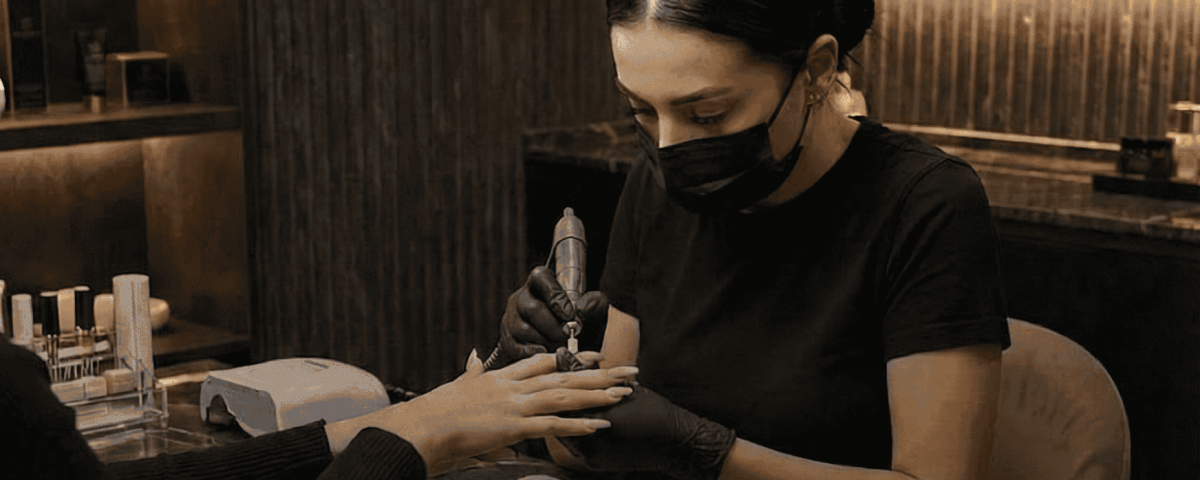
Changing your nail shape can feel like a transformation. One month you may prefer almond, and the next, go for a square style. However, many people are concerned that frequent changes could lead to nail damage or other issues.
At Pinkee’s Nails & Spa in Whitinsville, clients are encouraged to safely explore new shapes. When done properly, regularly changing nail shapes is safe. Understanding how shape adjustments affect nails makes experimenting easier and worry-free.
Why People Change Nail Shapes
The shape of your nails impacts both aesthetics and practicality. Different styles are better suited to specific activities, looks, and personal tastes. You might choose a formal nail shape for special occasions but prefer something more durable for everyday life.
Trends often inspire people to try new shapes. Some days call for a bold, expressive look, while others are better suited to a simple, classic style. Changing shapes allows you to match your nails to your mood without making a permanent commitment.
How Shape Changes Impact Your Nails
Reshaping nails involves filing, which removes material. If filing is too aggressive or done improperly, it can make nails thinner. Gentle, professional filing minimizes this risk.
Using the right length and thickness is important. Drastic changes on short or fragile nails may cause stress. Skilled technicians file carefully in one direction and know when to allow nails time to recover and strengthen.
Best Practices for Switching Nail Shapes
- Keep nails healthy and hydrated. Healthy nails withstand reshaping more effectively. Regular cuticle oil and gentle care protect nail strength between appointments.
- Let nails grow between major changes. Going from square to stiletto requires length and gradual transition. Rushing may increase stress and risk of breakage.
- Seek professional care. Trained technicians use proper filing techniques, maintain nail integrity, and prevent over-filing or unnecessary weak points.
Nail Shapes Suitable for Frequent Changes
Some shapes can be interchanged with minimal effort. Square and squoval, for example, need little filing to convert between them. Round and oval shapes also offer flexibility without significant nail reduction.
Dramatic shapes like stiletto or almond require more nail length and removal. These are better as occasional choices. Choosing styles that work with your natural nail shape helps make transitions smoother and reduces risk of stress or damage.
Signs of Over-Filing or Excessive Changes
Watch for nails becoming thin, easily bent, or frequently breaking—these may signal over-filing. Peeling at the tips also suggests weakened nail structure.
If you notice soreness or sensitivity near the nail bed, it might mean you’ve filed away too much. In these cases, maintain a simple shape, allow recovery time, and use cuticle oil daily until strength is restored.
Change Nail Shapes Safely
Experimenting with nail shapes is perfectly fine when approached thoughtfully and with professional care. Knowing your nails’ boundaries and working with skilled technicians means you can enjoy a variety of styles without putting your nail health at risk.
Discover the Best Nail Shape for You
Enjoy the freedom of switching nail shapes when cared for by experienced professionals. Safe practices keep your nails healthy, letting you try new looks without worry. Our team is here to support your personal style while maintaining strong, beautiful nails.
📞 Call to book: (508) 234-1899
📍 Location: 185 Church St, Whitinsville, MA 01588
You can explore stylish nail shapes with confidence at Pinkee’s Nails & Spa.